

In Defense of the Unassuming, Christian Education: Johnson University
With my fourth year as a part-time lecturer sneaking up on the horizon, I have spent a lot of time reflecting on my experience teaching Philosophical Ethics at Johnson University, just outside Knoxville. If you were to open any of the usual sources for higher ed news such as The Chronicle of Higher Education, Inside Higher Ed, or (these days) X, you’d probably feel discouraged. AI rules the day, enrollment numbers are down, and the liberal arts feel more precarious than ever. I’m not going to suggest solutions to these things in a short blog post. Instead, I want to redirect our attention toward something more positive. Between my self-reflection and words of appreciation, I want this to serve as a kind of defense of what I’ve called here the “unassuming, Christian undergraduate education.”
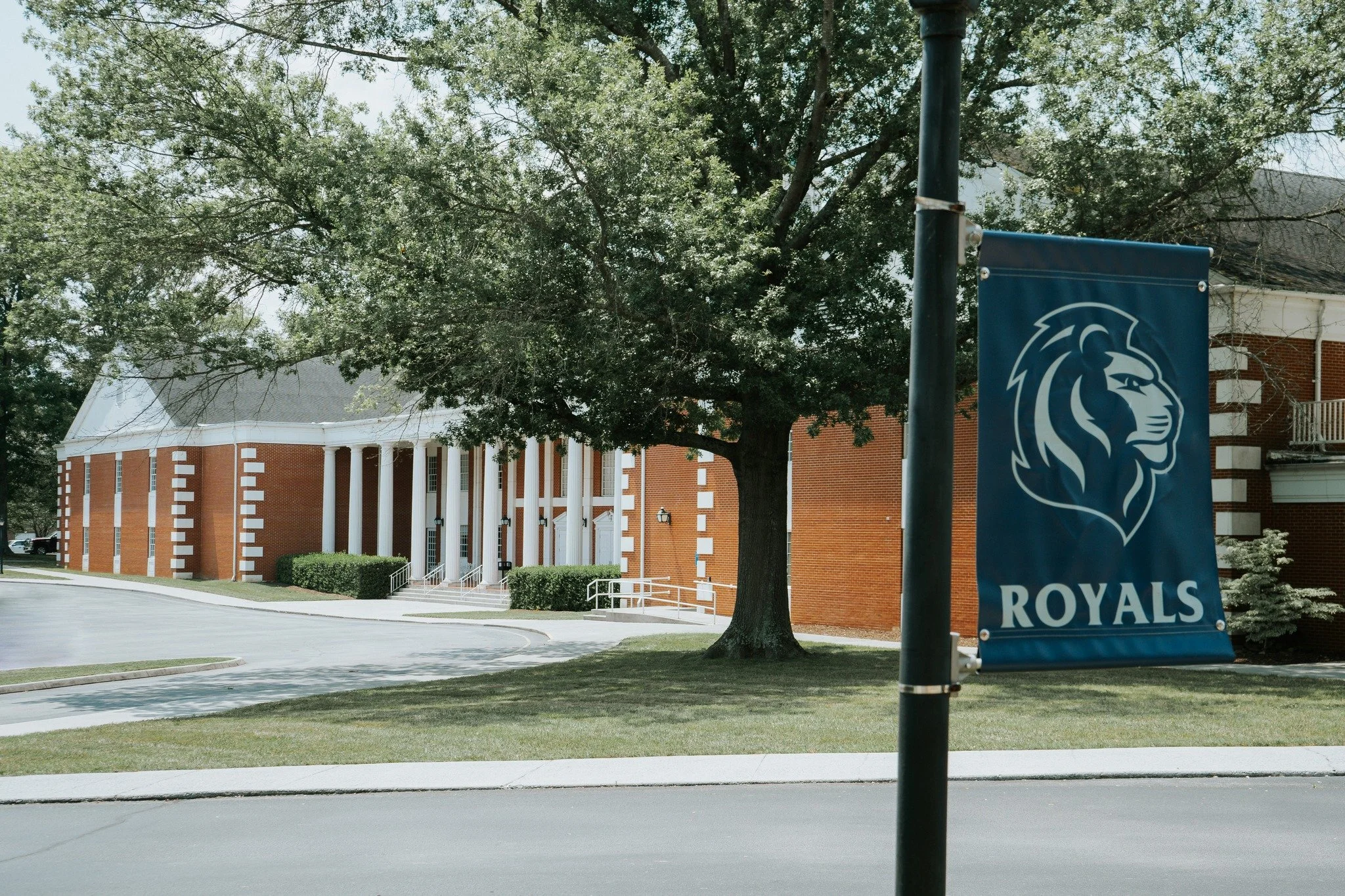
I don’t really know how else to say it: JU is a special place. Even when I was a student over a decade ago, campus was an oasis tucked away from the busyness of the outside world. (It also helps that campus is gorgeous. I don’t know who’s responsible for the grounds, but they always do a lovely job.) Life on any Christian university campus can feel a little bit like a bubble, especially when much of the faculty lives adjacent to campus. But JU’s geographic location in Knoxville is a bit unique: campus is somewhat rural, sitting on the banks of the French Broad, and many people in Knoxville likely do not even realize it’s in the metro area. Most people probably couldn’t tell you where Kimberlin Heights is. The community is, in a word, unassuming. If you don’t have a reason to know it’s here, you may never know it’s here. And while that might sound like a negative thing in the boisterously loud world of marketing, I think this unassuming quality is one of its strongest assets.
Something formational arises from the sort of environment that has been created at JU. The faculty profile pairs seasoned life and ministry experience with academic rigor. Each bachelor’s program requires a dual major of Bible and Theology plus another core. The deep integration of faith and work lies at the heart of JU’s curriculum, and it’s evident in the shape of the institution. The institutional commitment to Christian Scripture and Christ’s church goes a long way here. The students bring much to the table, too, of course. Some of my most engaged students have told me that Isocrates’s To Demonicus or Aristotle’s golden mean have shifted their perspective on the pursuit of the good life. Just last semester, I saw several students from my first class—most of whom have now graduated!—and they were telling me about how much clearer the course material got with time. These are students who are growing, and they are interested in growing.
The real treasure, however, lies a bit deeper than the intellect. I admittedly see only one perspective from my side of the part-time lectern, but the fruits of JU’s environment have challenged me to stop being so disenchanted about the state of things. From my perspective, I regularly watch unexpected friendships form between diverse groups of students (often even international students). I overhear Christlike attitudes towards one another’s life circumstances when navigating hallways and common spaces. More than once over the years, I’ve had students approach me about their academic dishonesty and confessing it as a sin issue in their lives, not as a consequence of me catching them. When I unexpectedly lost my job earlier this year, a former student of mine asked to pray with me on a whim, doing so even in the thick of prepping for a big assignment.
These are the sort of things that can only happen in a culture that is too humble to take itself too seriously and yet remains rigidly committed to the faith. Early in the school’s history, Emma Johnson sought to keep a working relationship with different streams of the school’s denominational context, laying a foundation for the kind of wide-reaching and practical education they can offer today. This is what I mean when I talk about an unassuming, Christian education—an education that that doesn’t miss the forest for the trees when it comes to self-identity, mission, or theological formation.
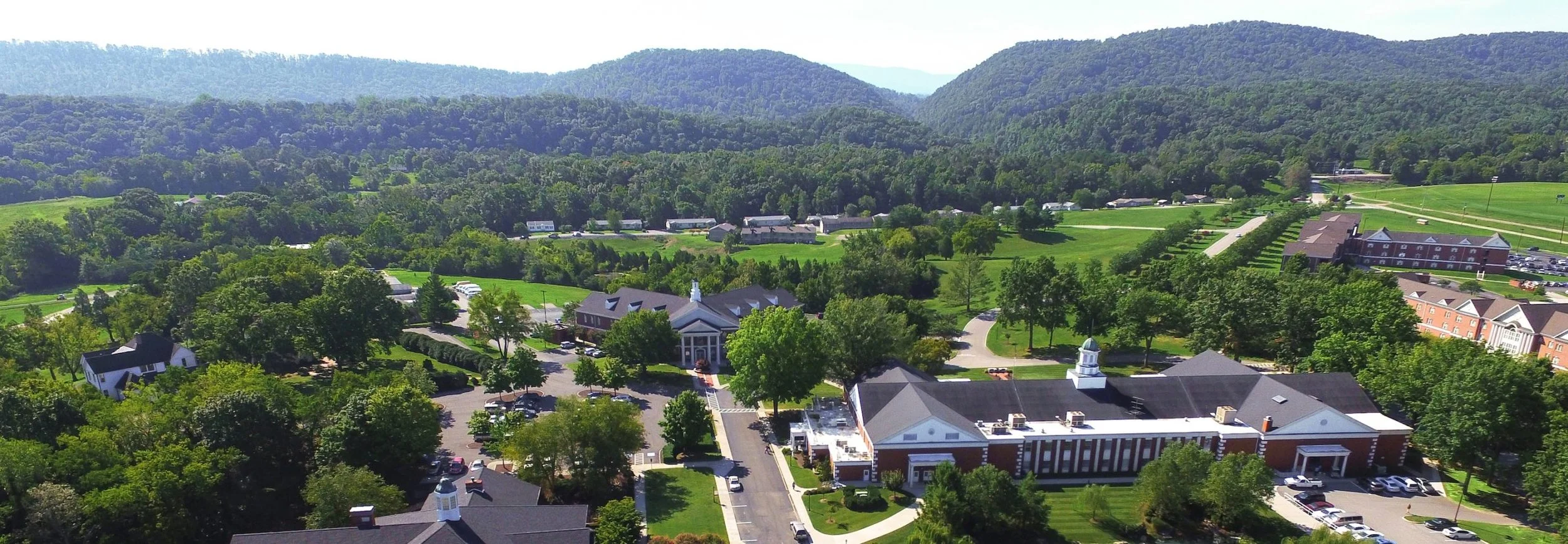
Above all, this is the most attractive thing about what I’ve called here an unassuming, Christian undergraduate education, at least as I’ve seen it at practiced at JU: it actually forms the whole person while embedded in communal life. These kinds of spaces readily call to mind the ancient ideal of a school being a space in which we can fruitfully spend our leisure, or scholê. University life at schools like this isn’t totalizing in the way that big state schools in “college towns” can often be. These kind of institutions aren’t quite big enough to exist completely in a bubble the same way larger institutions can. And, often times, people on a national scale will remain wholly unaware of the kinds of things taking place in their classrooms. And, yet, they are integrated with the community around them and provide a much-needed space to recede briefly and contemplate.
As I think about ways I want to grow as an educator, an instructor, a shepherd, or a communicator, I can’t help but wonder if maybe the future of religious higher education really could be this simple of a game plan: (1) build something unassuming, (2) keep a decidedly Christian identity, and (3) commit to Scripture, the church, and community. In some sense, this approach boils down to believing God when He says that the Word will not return void. It’s also a principle that many local church pastors know all too well: the most fruitful formation does not always come with fireworks or exponential growth. It usually happens over a longer period of time, when you aren’t looking for it.
Or, to put it another way, lasting Christian formation is the kind of thing that often happens unassumingly.